
GOAL DIRECTED LEARNING
Data models whether used for data and analytics or other purposes tend to be designed using commonly understood symbols and terminologies. This section will provide you with that grounding.
There are three levels of data modeling:
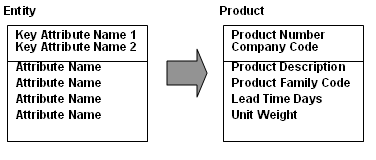
An entity is an object of interest to the enterprise. An entity can be a: lperson, lorganization, lplace, lthing, lactivity, levent, labstraction or idea. Entities are represented as rectangles in the data model:
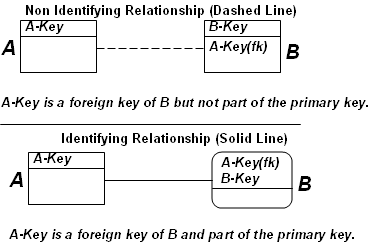
A relationship is an association between entities. Relationships are expressed as verbs or verb phrases. Data modeling focuses on binary relationships for example:
Advertisements:

Infogoal.com is organized to help you gain mastery.
Examples may be simplified to facilitate learning.
Content is reviewed for errors but is not warranted to be 100% correct.
In order to use this site, you must read and agree to the
terms of use, privacy policy and cookie policy.
Copyright 2006-2020 by Infogoal, LLC. All Rights Reserved.